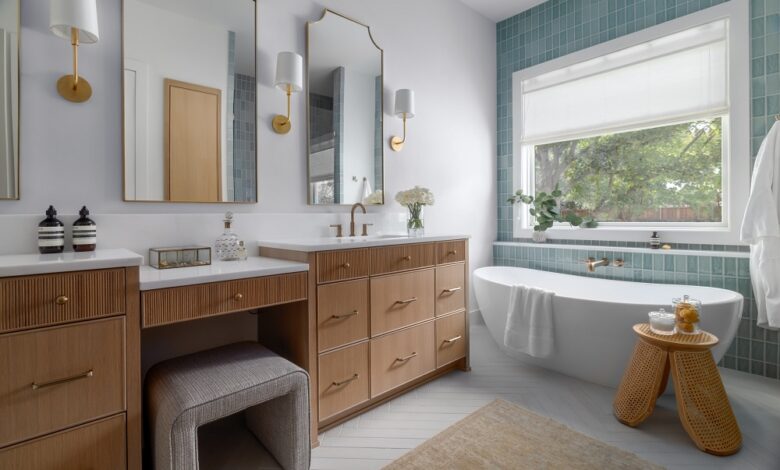
Bathroom remodeling can dramatically improve comfort, efficiency, and home value. However, even small missteps during planning or execution can lead to unnecessary expenses, delays, or long-term frustration. Many homeowners begin renovations with excitement but overlook practical details that determine whether the project succeeds or becomes a costly lesson.
Understanding the most common bathroom remodeling mistakes before starting your project helps ensure smarter decisions, smoother progress, and lasting results. This guide walks through the most frequent pitfalls homeowners face and how to avoid them effectively.
Underestimating the Importance of Planning
One of the biggest mistakes homeowners make is jumping into renovation without a detailed plan. A bathroom remodel involves plumbing, electrical work, layout optimization, ventilation, lighting, materials selection, and budgeting.
Without proper planning:
- Costs quickly spiral out of control
- Timelines become unpredictable
- Material shortages delay progress
- Layout mistakes become permanent
A thoughtful plan should include fixture placement, storage needs, lighting zones, ventilation upgrades, and realistic scheduling. Always finalize the design before demolition begins.
Ignoring Proper Ventilation
Ventilation is often treated as optional rather than essential. This oversight leads to mold growth, peeling paint, warped cabinetry, and lingering odors.
Bathrooms produce high moisture levels daily. Without adequate airflow:
- Mold forms behind walls
- Fixtures deteriorate faster
- Indoor air quality declines
- Structural damage may occur over time
Installing a high-quality exhaust fan sized appropriately for your bathroom prevents long-term damage and protects your investment.
Choosing Style Over Functionality
Visual appeal matters, but functionality determines whether the space works efficiently every day. Many homeowners prioritize trendy finishes while overlooking layout practicality.
Common functionality mistakes include:
- Installing oversized vanities in small spaces
- Choosing shallow storage solutions
- Selecting slippery flooring materials
- Placing fixtures too close together
A well-designed bathroom balances aesthetics with usability. Prioritize comfort, accessibility, and storage before decorative upgrades.
Selecting the Wrong Materials
Bathrooms experience constant humidity, temperature variation, and water exposure. Choosing unsuitable materials can lead to early deterioration and higher maintenance costs.
Avoid using:
- Non-water-resistant flooring
- Low-quality laminate cabinetry
- Standard paint instead of moisture-resistant paint
- Porous natural stone without sealing
Instead, choose porcelain tile, quartz countertops, moisture-resistant drywall, and high-quality grout to ensure durability and longevity.
Poor Lighting Design
Lighting dramatically influences how a bathroom feels and functions. Unfortunately, many remodels rely on a single overhead fixture, which creates shadows and reduces usability.
A well-lit bathroom should include:
- Ambient lighting for overall visibility
- Task lighting around mirrors
- Accent lighting for visual depth
- Night lighting for safety
Layered lighting improves both functionality and atmosphere, making daily routines easier and safer.
Forgetting About Storage Needs
Insufficient storage is one of the most common remodeling regrets homeowners report after completing renovations.
Consider incorporating:
- Built-in wall niches
- Drawer organizers
- Medicine cabinets with mirrors
- Under-sink storage systems
- Vertical shelving
Planning storage early prevents clutter from overtaking your newly renovated space.
Installing Fixtures in the Wrong Locations
Improper fixture placement creates inconvenience and reduces comfort. Even small spacing errors can affect usability permanently.
Examples of placement mistakes include:
- Toilets installed too close to walls
- Mirrors positioned too high or low
- Showerheads placed incorrectly
- Doors interfering with fixtures
Always confirm measurements carefully before installation begins. Consulting layout guidelines or working with professionals ensures proper spacing standards are followed.
Overlooking Budget Flexibility
Many homeowners create strict budgets without allowing room for unexpected expenses. Bathroom remodeling projects frequently uncover hidden issues such as plumbing leaks, wiring upgrades, or structural repairs.
To avoid financial stress:
- Set aside contingency funds
- Expect material price fluctuations
- Plan for labor adjustments
- Allow flexibility for design changes
A practical contingency reserve keeps your project moving forward smoothly even when surprises appear.
Neglecting Waterproofing Measures
Waterproofing mistakes can cause the most serious and expensive long-term damage in a bathroom remodel.
Critical waterproofing areas include:
- Shower walls
- Floor under tile
- Around bathtubs
- Behind vanities near plumbing lines
Proper membranes, sealing techniques, and moisture barriers prevent hidden leaks that may otherwise go unnoticed for months or years.
Attempting Complex DIY Work Without Experience
DIY remodeling can reduce costs when done correctly. However, attempting specialized tasks without proper knowledge often leads to expensive corrections later.
Projects best handled by professionals include:
- Plumbing relocation
- Electrical wiring upgrades
- Waterproofing installation
- Structural modifications
Combining DIY cosmetic improvements with professional technical work creates the safest and most cost-effective remodeling approach.
Choosing Trendy Designs That Age Quickly
Trends change rapidly. While bold design choices may look impressive today, they can feel outdated within a few years.
Instead of designing around short-term trends:
- Choose neutral tile foundations
- Select timeless fixture finishes
- Add personality through accessories
- Use removable decorative elements
Timeless design choices maintain long-term value and appeal.
Ignoring Accessibility Considerations
Even if accessibility is not currently required, planning ahead increases comfort and future usability.
Smart accessibility upgrades include:
- Curbless showers
- Wider door openings
- Comfort-height toilets
- Slip-resistant flooring
- Reinforced walls for future grab bars
These adjustments improve safety without compromising style.
Skipping Professional Guidance Entirely
Some homeowners avoid professional consultation to reduce costs. However, expert input often prevents expensive mistakes before construction begins.
Professionals can help:
- Optimize layouts
- Improve ventilation planning
- Select durable materials
- Avoid code compliance issues
- Streamline construction timelines
Even limited consultation can significantly improve project outcomes.
Overcrowding the Bathroom Layout
Trying to include too many features in a small bathroom reduces comfort and functionality.
Examples of overcrowding include:
- Double sinks in narrow spaces
- Oversized bathtubs in compact layouts
- Excessive cabinetry
- Bulky storage towers
Leaving enough open movement space enhances both usability and visual appeal.
FAQ Section
How long does a typical bathroom remodel take?
Most bathroom remodels take between two and six weeks depending on project complexity, material availability, and whether structural changes are required.
What is the most expensive part of a bathroom remodel?
Labor and plumbing modifications are often the most expensive components, especially when relocating fixtures or upgrading drainage systems.
Should I replace plumbing during a bathroom renovation?
If plumbing is old or shows signs of wear, replacement during renovation prevents future leaks and avoids reopening finished walls later.
Is it necessary to get permits for bathroom remodeling?
Permits are usually required when electrical, plumbing, or structural changes are involved. Local building authorities determine specific requirements.
What flooring works best for bathrooms?
Porcelain tile is one of the most durable and water-resistant flooring options available for bathroom environments.
How can I make a small bathroom feel larger?
Using light-colored finishes, large mirrors, wall-mounted fixtures, and glass shower enclosures helps visually expand smaller spaces.
Should I remodel my bathroom before selling my home?
Updating outdated bathrooms often improves resale value and attracts buyers, especially when improvements focus on functionality and modern finishes.


