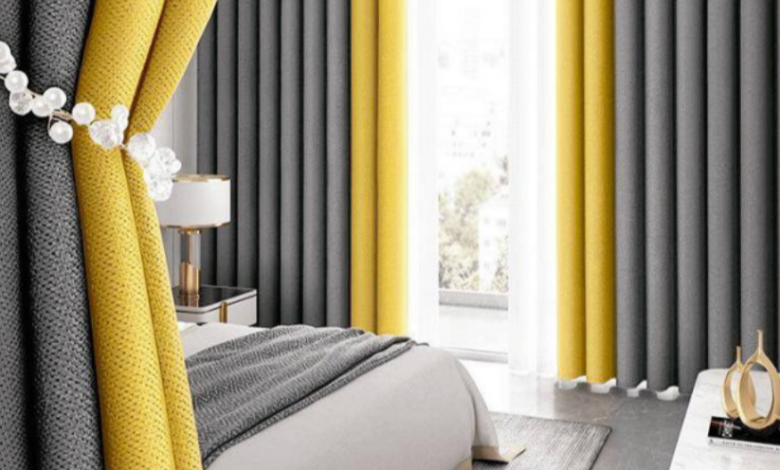
Curtains and drapery play a larger role in interior design than many homeowners expect. Beyond providing privacy and controlling light, they shape how a room feels, influence color balance, soften architectural lines, and help unify furniture arrangements. The right curtain selection can transform an ordinary space into one that feels polished, balanced, and comfortable without requiring major renovation work.
Whether updating a living room, bedroom, dining area, or home office, choosing curtains thoughtfully improves both functionality and visual appeal. With the right fabrics, lengths, colors, and placement strategies, window treatments become a defining design feature rather than an afterthought.
Why Curtains and Drapery Matter in Interior Design
Curtains influence how natural light enters a room and how architectural proportions are perceived. They also help control temperature, reduce glare, and improve privacy without compromising style.
Well selected curtains can:
- Make ceilings appear higher
- Frame windows elegantly
- Enhance natural light flow
- Strengthen color coordination
- Reduce visual clutter around windows
Window treatments often serve as the finishing layer that completes a room’s design.
Choosing the Right Curtain Length for Maximum Impact
Curtain length dramatically affects how a room looks and feels. Floor length curtains remain one of the most effective choices for improving visual elegance.
Common curtain length options include:
- Sill length curtains for compact spaces
- Below sill curtains for kitchens or casual rooms
- Floor length curtains for formal and modern interiors
- Slightly pooled curtains for layered decorative styling
Floor length curtains create a sense of vertical expansion, making ceilings appear taller and rooms feel more refined.
Shorter curtains work better in functional areas where furniture placement limits longer fabric options.
Selecting Curtain Fabrics That Match Room Function
Fabric choice affects both the appearance and performance of curtains.
Popular curtain fabrics include:
Sheer fabrics
- Allow natural light to filter through
- Maintain openness
- Work well in living rooms and shared areas
Cotton curtains
- Provide moderate light control
- Suit casual interiors
- Offer easy maintenance
Linen drapery
- Introduces natural texture
- Supports modern and transitional interiors
- Creates relaxed elegance
Blackout fabrics
- Improve sleep quality
- Enhance privacy
- Reduce outside noise slightly
Matching fabric weight with room purpose ensures both comfort and practicality.
Using Curtain Colors to Enhance Interior Balance
Curtain color selection influences how spacious or cozy a room feels.
Light colored curtains help:
- Reflect natural light
- Expand visual space
- Support minimalist interiors
- Blend with neutral palettes
Darker curtain tones help:
- Add contrast
- Anchor furniture arrangements
- Create visual depth
- Improve privacy control
Neutral curtain colors remain the most flexible choice because they adapt easily to future decor updates.
Coordinating curtain tones with rugs, cushions, or wall colors strengthens overall design harmony.
Layering Curtains Improves Flexibility and Style
Layered window treatments combine functionality with decorative appeal.
Common layering strategies include:
- Sheer curtains paired with heavier drapes
- Light filtering panels behind blackout curtains
- Decorative outer panels framing neutral inner layers
Layering allows homeowners to adjust privacy and brightness throughout the day without sacrificing aesthetics.
This approach works especially well in bedrooms and living rooms where lighting needs change frequently.
Mounting Curtains Higher Creates Taller Looking Rooms
Curtain placement influences perceived ceiling height more than most homeowners realize.
Mounting curtain rods higher than window frames:
- Extends visual wall height
- Draws attention upward
- Improvers proportions in compact rooms
- Creates a polished architectural effect
Extending curtain rods wider than window frames also increases the appearance of window size.
These placement adjustments improve room scale without structural changes.
Choosing Curtain Width for a Fuller Appearance
Curtain width affects how luxurious and balanced window treatments appear.
Helpful width guidelines include:
- Selecting curtain panels wider than the window frame
- Allowing fabric to gather naturally
- Avoiding flat stretched panels
- Creating soft folds across the window surface
Fuller curtains introduce depth and softness that enhance interior comfort.
Narrow panels often appear unfinished and reduce visual impact.
Matching Curtain Style With Interior Design Theme
Curtain style should support the overall design direction of the room.
Examples include:
Modern interiors
- Simple panel curtains
- Neutral colors
- Minimal hardware visibility
Traditional interiors
- Pleated drapery
- Layered fabrics
- Decorative rods
Transitional interiors
- Soft textures
- Balanced layering
- Subtle detailing
Choosing compatible curtain styles ensures visual consistency across the space.
Improving Natural Light Control With the Right Drapery Choice
Curtains play a major role in managing brightness levels throughout the day.
Effective light control strategies include:
- Using sheer panels for daytime filtering
- Installing blackout curtains in bedrooms
- Combining layered treatments for flexibility
- Adjusting curtain placement based on window direction
Proper light control improves comfort while protecting furniture from long term sun exposure.
Balanced lighting also enhances how interior colors appear throughout the day.
Using Curtains to Frame Views Instead of Blocking Them
Curtains should enhance windows rather than hide them unnecessarily.
Helpful framing strategies include:
- Pulling panels fully to the sides
- Using lightweight fabrics
- Selecting neutral tones near scenic windows
- Avoiding overly heavy treatments in bright spaces
Framed windows become visual focal points that strengthen room atmosphere.
Maintaining openness improves both natural lighting and spatial perception.
Selecting Curtain Hardware That Complements Interior Style
Curtain rods and brackets contribute to the overall appearance of window treatments.
Popular hardware finishes include:
- Matte black for modern interiors
- Brushed metal for transitional spaces
- Warm metallic tones for classic rooms
- Painted rods for subtle installations
Choosing hardware that coordinates with lighting fixtures or cabinet finishes improves design consistency.
Small hardware details often influence how finished a room feels.
Coordinating Curtains With Furniture and Flooring
Curtains should support existing interior elements rather than compete with them.
Coordination strategies include:
- Matching curtain tones with upholstery accents
- Complementing flooring colors
- Reflecting wall color undertones
- Balancing bold furniture with neutral window treatments
Thoughtful coordination helps maintain visual harmony throughout the room.
Curtains often act as connectors between multiple design elements.
Using Curtains to Improve Comfort and Privacy
Beyond aesthetics, curtains contribute to everyday comfort.
Practical benefits include:
- Increasing privacy levels
- Reducing outside glare
- Supporting temperature regulation
- Softening echoes in larger rooms
Well chosen curtains improve both appearance and functionality at the same time.
Window treatments remain one of the most effective upgrades for enhancing interior comfort quickly.
FAQ Section
What curtain length works best for modern interiors
Floor length curtains usually provide the most polished and visually balanced appearance in modern spaces.
Should curtains match wall color exactly
Curtains do not need to match walls exactly but should complement the overall color palette.
Are blackout curtains suitable for living rooms
Blackout curtains can work in living rooms when paired with sheer layers for flexible lighting control.
How many curtain panels are needed for one window
Most standard windows benefit from two panels to create balanced framing and fuller coverage.
Can curtains help reduce outside noise
Heavier curtain fabrics can slightly reduce outside noise by absorbing sound vibrations.
Is it better to install curtain rods wider than the window frame
Extending rods beyond the window frame helps windows appear larger and allows more natural light to enter when curtains are open.
How often should curtains be replaced to maintain appearance
Curtains typically last several years but should be replaced when fabric fades or interior style changes require updated window treatments.


