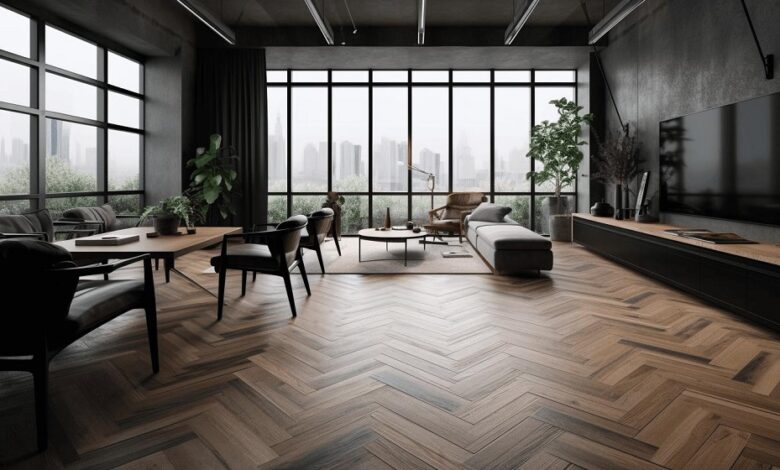
Flooring has become one of the most influential design elements in modern interiors. Instead of serving only as a functional surface, flooring now shapes the visual direction of a space, supports architectural balance, and introduces texture and movement into rooms of all sizes. Today’s homeowners and designers increasingly rely on patterned flooring to define zones, add character, and create a sense of continuity throughout interiors.
From geometric layouts to timeless wood arrangements, flooring patterns are redefining how spaces feel and function. Choosing the right pattern can dramatically improve both aesthetics and practicality while supporting long-term design flexibility.
Why Flooring Patterns Matter in Modern Interior Design
Flooring patterns influence how people experience a room before they even notice furniture or wall colors. Pattern direction, scale, and contrast affect perceived room size, lighting balance, and visual flow.
Well-selected flooring patterns can:
- Make compact spaces appear larger
- Add architectural interest without structural changes
- Guide movement through open floor plans
- Highlight focal areas
- Improve visual harmony between rooms
Instead of relying solely on decor, many modern interiors now use flooring patterns as a foundational design strategy.
Herringbone Flooring Continues to Define Modern Elegance
Herringbone flooring remains one of the most popular pattern choices in contemporary interiors. Its angled arrangement introduces movement while maintaining a structured appearance that complements both classic and modern styles.
Design advantages of herringbone flooring include:
- Enhancing visual depth
- Creating subtle sophistication
- Supporting natural light reflection
- Working with wood, tile, and luxury vinyl materials
Herringbone layouts perform especially well in entryways, living rooms, and hallways where directional flow improves spatial continuity.
Light-toned wood herringbone floors are particularly effective in modern interiors that emphasize openness and brightness.
Chevron Patterns Add Precision and Architectural Impact
Chevron flooring creates a sharper and more defined appearance compared to herringbone layouts. Because planks meet at precise angles, the pattern produces continuous visual lines that guide the eye through the space.
Chevron flooring works well in:
- Contemporary apartments
- Long corridors
- Open concept living spaces
- Minimalist interiors
This pattern strengthens architectural structure without overwhelming surrounding design elements.
Chevron layouts are particularly effective when installed using neutral tones that allow pattern direction to remain the focal feature.
Large Format Tile Patterns Create Seamless Modern Surfaces
Large format tiles are transforming modern interiors by reducing grout lines and creating uninterrupted floor surfaces. This pattern approach emphasizes simplicity and visual clarity.
Benefits of large tile layouts include:
- Making rooms appear larger
- Reducing maintenance requirements
- Supporting minimalist aesthetics
- Enhancing natural light reflection
Large format tiles work especially well in kitchens, bathrooms, and open-plan living areas where seamless flooring strengthens spatial unity.
Neutral tones such as soft gray, warm beige, and natural stone finishes remain popular choices for this pattern style.
Geometric Tile Patterns Introduce Bold Personality
Geometric flooring patterns bring energy and creativity into modern interiors. Unlike traditional layouts, geometric designs create strong focal points that define specific areas within a room.
Common geometric flooring applications include:
- Entryway statements
- Powder room flooring
- Kitchen accent zones
- Laundry room upgrades
Geometric patterns work best when balanced with simple furniture and neutral wall colors.
Using patterned flooring strategically prevents visual overload while still delivering strong design impact.
Mixed Width Wood Planks Add Natural Variation
Mixed width plank flooring introduces subtle irregularity that enhances texture and authenticity. Instead of repeating identical plank sizes, varying widths create a more organic surface appearance.
Advantages of mixed plank layouts include:
- Increasing visual richness
- Supporting rustic modern design styles
- Reducing pattern repetition
- Highlighting natural wood grain variation
This pattern works especially well in living rooms and bedrooms where comfort and warmth remain design priorities.
Mixed width planks also complement transitional interiors that blend traditional and contemporary elements.
Diagonal Flooring Layouts Expand Visual Space
Diagonal flooring layouts change how people perceive room dimensions. Instead of following straight wall lines, diagonal patterns shift attention across the room, creating the illusion of expanded space.
Diagonal layouts are especially helpful in:
- Compact apartments
- Narrow hallways
- Small bedrooms
- Entry areas
This pattern strategy improves movement flow and prevents interiors from feeling boxed in by rigid wall alignment.
Diagonal installation works well with both tile and wood materials.
Basketweave Patterns Reintroduce Classic Texture With Modern Appeal
Basketweave flooring patterns combine small rectangular pieces arranged to resemble woven surfaces. While historically traditional, this pattern has returned in modern interiors through updated materials and color palettes.
Basketweave flooring enhances interiors by:
- Introducing subtle contrast
- Adding texture without clutter
- Supporting vintage modern combinations
- Highlighting craftsmanship detail
Modern versions often use neutral tones that maintain a clean and refined appearance.
Bathrooms and entryways benefit particularly from this pattern because it balances detail with practicality.
Parquet Flooring Brings Structured Sophistication Back Into Focus
Parquet flooring is experiencing renewed popularity as homeowners seek visually interesting yet timeless flooring solutions.
Modern parquet styles include:
- Simplified geometric blocks
- Natural wood finishes
- Light toned arrangements
- Matte surface treatments
Parquet flooring works especially well in living areas where it adds elegance without overwhelming the room.
Updated parquet installations often emphasize lighter finishes that reflect current interior trends focused on openness and simplicity.
Continuous Flooring Patterns Improve Open Concept Layouts
Modern homes frequently rely on open floor plans that connect kitchens, dining spaces, and living rooms. Continuous flooring patterns help unify these areas without requiring physical boundaries.
Benefits of continuous flooring layouts include:
- Supporting visual flow between spaces
- Making interiors appear larger
- Simplifying transitions between rooms
- Reducing cluttered design breaks
Patterns such as wide planks, large tiles, and directional layouts perform especially well in open concept environments.
Maintaining consistency across connected areas strengthens spatial balance and design clarity.
Contrasting Border Patterns Define Functional Zones
Border patterns introduce subtle structure within larger flooring installations. Instead of separating rooms with walls, borders create visual transitions between functional areas.
Common border pattern uses include:
- Defining dining areas within open layouts
- Framing entryway flooring
- Highlighting kitchen work zones
- Emphasizing hallway pathways
Contrasting materials or tones help guide movement naturally through the home.
Border patterns allow homeowners to add detail without interrupting overall flooring continuity.
Matte Finish Patterned Flooring Supports Modern Simplicity
Surface finish plays an important role in how flooring patterns appear within a space. Matte finishes reduce glare and highlight pattern structure more naturally than glossy surfaces.
Matte patterned flooring provides:
- Softer light reflection
- Improved scratch concealment
- Modern visual texture
- Better compatibility with neutral palettes
These finishes complement contemporary interiors focused on calm and understated elegance.
Matte flooring also supports layered lighting strategies that improve atmosphere throughout the home.
FAQ Section
Which flooring pattern works best for small apartments
Diagonal layouts and large format tiles help compact apartments appear more spacious by improving visual continuity.
Are patterned floors suitable for minimalist interiors
Yes patterned flooring works well in minimalist spaces when colors remain neutral and surrounding decor stays simple.
Do flooring patterns affect resale value
Timeless patterns such as herringbone and wide plank layouts often increase buyer appeal because they balance style with longevity.
Is patterned flooring harder to install than straight layouts
Many patterned layouts require more planning and labor precision, which can increase installation time compared to standard layouts.
Can multiple flooring patterns be used in the same home
Yes combining complementary patterns across different rooms can create visual interest when materials and colors remain coordinated.
What flooring patterns work best with underfloor heating systems
Large format tiles and engineered wood patterns perform well with radiant heating systems because they distribute heat efficiently.
How do lighting conditions influence flooring pattern selection
Rooms with strong natural light support detailed patterns more effectively, while lower light areas benefit from simpler layouts that maintain visual clarity.


