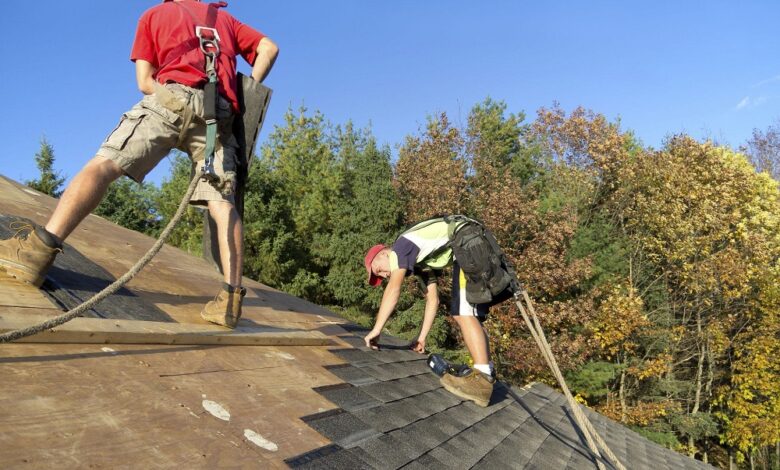
Roof installation is one of the most complex and physically demanding construction tasks performed on residential and commercial buildings. Because roofing work takes place at height and involves tools, materials, and changing weather conditions, safety planning is essential at every stage of the installation process. Professional roofing teams follow structured safety procedures to protect workers, homeowners, and property while ensuring the project progresses efficiently.
Understanding the safety measures used during professional roofing installation helps homeowners recognize quality workmanship and make informed decisions when hiring contractors.
Why Safety Is a Priority During Roofing Installation
Roof installation involves elevated work surfaces, heavy materials, and specialized equipment. Without proper safety procedures, these conditions increase the risk of accidents, structural damage, and project delays.
Professional roofing safety planning helps:
- Prevent worker injuries
- Protect surrounding property
- Maintain installation accuracy
- Reduce liability risks
- Improve construction efficiency
Contractors who prioritize safety typically deliver more reliable installation results and maintain higher professional standards throughout the project.
Conducting a Detailed Roof Inspection Before Work Begins
Before installation starts, professional roofing teams evaluate the structure carefully. This inspection identifies potential risks that could affect both safety and performance.
Pre-installation inspections usually include:
- Assessing roof slope and surface condition
- Identifying weak structural areas
- Checking attic ventilation access points
- Reviewing flashing and drainage systems
- Locating nearby power lines
Early evaluation helps contractors prepare proper equipment and adjust installation procedures based on site conditions.
Careful inspection reduces unexpected hazards once work begins.
Using Personal Protective Equipment Throughout the Project
Personal protective equipment plays a central role in roofing safety. Professional crews use specialized gear designed for elevated construction environments.
Common protective equipment includes:
- Safety harness systems
- Hard hats
- Slip resistant footwear
- Protective gloves
- Eye protection equipment
Each item reduces exposure to hazards while improving worker stability and comfort during installation.
Proper protective gear also supports compliance with industry safety standards.
Installing Guardrails and Fall Protection Systems
Fall protection remains one of the most important safety measures during roofing installation. Elevated work surfaces require reliable barriers that reduce the risk of accidental falls.
Professional roofing teams often install:
- Guardrails along roof edges
- Anchor points for harness connections
- Safety lines for worker movement
- Temporary roof brackets for stability
These systems provide secure working conditions and allow installers to move confidently across the roof surface.
Reliable fall protection equipment supports both safety and installation accuracy.
Monitoring Weather Conditions Before and During Installation
Weather conditions significantly influence roofing safety. Professional contractors monitor forecasts closely before scheduling installation activities.
Roofing crews typically avoid working during:
- Heavy rain conditions
- Strong winds
- Lightning risk periods
- Extreme heat exposure
- Ice or frost accumulation
Adjusting schedules based on weather helps protect both workers and materials during installation.
Proper timing improves project safety and prevents material damage.
Securing Tools and Materials on the Roof Surface
Loose tools and materials create serious hazards during roofing installation. Professional teams organize equipment carefully to prevent accidents.
Material safety strategies include:
- Using tool belts for small equipment
- Securing ladders firmly before use
- Storing shingles away from edges
- Managing debris removal regularly
- Keeping walkways clear during installation
Organized job sites improve worker mobility and reduce the risk of falling objects.
Careful material placement also protects surrounding landscaping and property structures.
Setting Up Safe Ladder Access Points
Ladders provide primary access to roof installation areas. Improper ladder placement increases the likelihood of injuries.
Professional ladder safety practices include:
- Positioning ladders on stable surfaces
- Securing ladder tops at roof edges
- Maintaining proper climbing angles
- Keeping ladder pathways clear
Reliable ladder placement ensures safe movement between ground level and roof work areas.
Safe access improves efficiency throughout the installation process.
Protecting Surrounding Property During Roofing Work
Professional roofing contractors implement measures to prevent accidental damage to nearby structures and landscaping.
Property protection strategies include:
- Covering plants and outdoor furniture
- Using debris catch systems
- Positioning disposal containers carefully
- Protecting windows and entry areas
These precautions reduce cleanup requirements and maintain property appearance during installation.
Protecting surrounding areas demonstrates professional responsibility and attention to detail.
Maintaining Clear Communication Among Crew Members
Roofing installation requires coordinated teamwork. Clear communication ensures that each crew member understands responsibilities and safety expectations.
Communication practices include:
- Daily safety briefings
- Task coordination discussions
- Hazard identification updates
- Equipment handling instructions
Consistent communication reduces confusion and supports safer working conditions throughout the project.
Strong teamwork improves both safety performance and installation quality.
Managing Debris Removal Safely Throughout Installation
Roof replacement produces significant debris, including old shingles, nails, and underlayment materials. Professional teams remove waste systematically to maintain safe working surfaces.
Debris management strategies include:
- Using designated disposal containers
- Clearing walkways regularly
- Inspecting ground areas for sharp objects
- Removing loose materials promptly
Efficient debris handling reduces injury risk and improves project organization.
Clean job sites support faster installation progress.
Following Electrical Safety Precautions Near Roof Structures
Roofing crews often work near electrical lines and equipment. Professional contractors take extra precautions when working close to these areas.
Electrical safety procedures include:
- Identifying nearby power sources
- Maintaining safe distances from overhead lines
- Using insulated equipment when required
- Coordinating with utility providers if necessary
These precautions prevent electrical hazards that could otherwise disrupt installation activities.
Electrical awareness protects both workers and homeowners during roofing projects.
Conducting Final Safety Inspections After Installation Completion
Once installation is complete, professional roofing teams perform final inspections to confirm safety compliance and workmanship quality.
Final inspection steps often include:
- Checking flashing alignment
- Confirming shingle placement accuracy
- Verifying debris removal completion
- Inspecting ventilation components
- Reviewing drainage performance
Final inspections ensure the roof meets structural and safety expectations before project completion.
Thorough evaluations support long term roof performance and homeowner confidence.
Using Proper Training and Certification Standards for Roofing Teams
Professional roofing contractors rely on trained crews who understand installation techniques and safety procedures.
Training programs typically cover:
- Equipment handling procedures
- Fall protection systems
- Emergency response preparation
- Material installation guidelines
- Hazard identification awareness
Certified workers follow consistent safety standards that improve project reliability.
Experienced teams contribute to smoother installation timelines and reduced risk exposure.
Implementing Emergency Preparedness Plans on Roofing Sites
Professional roofing crews prepare for unexpected situations by maintaining emergency readiness throughout installation.
Emergency planning often includes:
- First aid equipment availability
- Clear access routes for assistance
- Communication devices on site
- Defined response procedures
Prepared teams respond quickly to incidents and maintain safe working environments during construction.
Emergency readiness reflects strong safety management practices across the entire installation process.
FAQ Section
How long does a professional roofing installation typically take
Most residential roofing installations take one to three days depending on roof size, material type, and weather conditions.
Do homeowners need to leave the house during roof installation
Homeowners usually can remain inside, although temporary noise and vibrations may occur during the process.
What safety equipment is most important for roofing workers
Fall protection harness systems are among the most critical safety tools used during elevated roofing work.
How do contractors protect driveways during roofing installation
Protective coverings and debris control systems help prevent damage to driveways and surrounding surfaces.
Are roofing safety inspections required after installation
Final inspections help confirm installation quality and ensure the roof meets performance expectations.
Can roofing installation be completed during cold weather
Roof installation can proceed in cooler conditions when materials remain flexible and safe handling procedures are followed.
Why do professional roofing crews work in teams instead of individually
Team coordination improves safety oversight, speeds installation progress, and ensures consistent workmanship across the project.


